FMCG RESEARCH • UAE • CONSUMER BEHAVIOUR
UAE FMCG Consumer Behaviour & Brand Growth Research
The UAE fast-moving consumer goods market is characterized by a diverse consumer population, strong modern retail infrastructure, rapidly developing e-commerce channels and intense competition between international, regional and local brands.
For FMCG companies, however, understanding overall market growth is only the beginning.
THE BUSINESS QUESTION Why does one household choose one FMCG brand over another?
Understanding the behaviour behind purchase decisions can help brands identify opportunities around household penetration, customer acquisition, brand switching, pricing, product development and retail strategy.
PROJECT SNAPSHOT
Understanding Consumer Choice in a Competitive FMCG Market
Market United Arab Emirates
Industry FMCG / Consumer Goods
Research Type Consumer & Shopper Research
Approach Mixed-Method Research
Methods Quantitative + Qualitative
Geographic Focus Major UAE Consumer Markets
THE BUSINESS CHALLENGE
Market Growth Does Not Explain Where Growth Is Coming From
A positive FMCG market environment can create opportunities, but market-level growth alone does not tell decision-makers how individual consumers are behaving.
A brand can operate within a growing category and still lose consumers.
At the same time, another brand may outperform the category because it is successfully attracting new households, improving availability, strengthening its proposition or encouraging existing consumers to purchase more frequently.
The research challenge was therefore not simply to understand what consumers were buying, but to understand why they were making those decisions.
The study explored whether consumer purchasing decisions were influenced primarily by price and affordability, promotions, product quality, brand familiarity, availability, packaging, convenience, recommendations, product experience, household requirements, retail channel or changing consumer preferences.
RESEARCH OBJECTIVES
Turning Consumer Behaviour Into Actionable Business Questions
01
Understand Category Behaviour
Examine purchase frequency, purchase occasions, preferred channels, decision-making behaviour and the role the category plays within the household.
02
Measure Brand Awareness
Understand spontaneous and prompted awareness and identify which brands enter the consumer's consideration set.
03
Explore Household Penetration
Investigate opportunities to attract additional households rather than relying exclusively on existing buyers.
04
Understand Brand Switching
Explore why consumers move between competing brands and identify the circumstances that increase switching.
05
Evaluate Price & Promotion
Understand how regular price, promotional offers, perceived value and pack-size decisions influence purchasing.
06
Identify Growth Opportunities
Translate consumer evidence into potential opportunities across acquisition, retention, product, pricing and distribution.
THE RESEARCH APPROACH
Combining Quantitative Measurement With Qualitative Understanding
FMCG behaviour is rarely explained adequately through a single research methodology.
Quantitative research can identify patterns across a larger consumer sample, while qualitative research can help explain the motivations and perceptions behind those patterns.
QUANTITATIVE
Measure the Behaviour
- Category Usage
- Brand Awareness
- Brand Consideration
- Purchase Frequency
- Brand Switching
- Future Purchase Intention
+
QUALITATIVE
Understand the Why
- Purchase Motivations
- Brand Perceptions
- Product Expectations
- Unmet Needs
- Barriers to Trial
- Reasons for Switching
PHASE 01 • QUANTITATIVE RESEARCH
Building a Structured Picture of Consumer Behaviour
A structured consumer survey was used to investigate category and brand behaviour across relevant UAE consumer segments.
Category Usage How frequently consumers purchased or used products within the category.
Brand Awareness Which brands consumers knew spontaneously and when prompted.
Brand Consideration Which brands entered the consumer's purchase consideration set.
Current Usage Which brands were currently being purchased or consumed.
Purchase Drivers Which factors influenced the final brand decision.
Future Intention Which brands consumers expected to consider or purchase in the future.
THE UAE CONSUMER LANDSCAPE
One Market — Many Different Consumer Groups
One of the defining characteristics of consumer research in the UAE is population diversity.
Treating the entire market as a single homogeneous consumer group can hide important behavioural differences.
NATIONALITY AGE GENDER HOUSEHOLD SIZE INCOME LOCATION CATEGORY USAGE SHOPPING BEHAVIOUR
Different consumer communities can have different brand familiarity, product expectations and purchasing habits.
Younger and older consumers may respond differently to brands, digital channels, promotions and product innovation. Household structure can influence pack size and value requirements, while income can affect premiumization and price sensitivity.
The objective was not simply to identify demographic differences. It was to understand whether those differences translated into commercially meaningful consumer behaviour.
PHASE 02 • QUALITATIVE RESEARCH
Exploring the Motivations Behind Consumer Decisions
Quantitative data can demonstrate that consumers are switching brands, but it cannot always explain the emotional or contextual reasons behind those decisions.
Qualitative exploration was therefore used to investigate areas such as category perceptions, brand associations, product expectations, purchase routines, frustrations, unmet needs, price perceptions, promotional response, packaging, product experience and barriers to trial.
This deeper exploration helps researchers understand the language consumers naturally use when discussing a category and the considerations that may not emerge through structured questions alone.
THE CONSUMER DECISION JOURNEY
What Happens Between Need and Purchase?
FMCG purchasing does not happen in isolation. Consumers can move through several stages before a final brand decision is made.
NEED → CATEGORY → BRAND CONSIDERATION → CHANNEL → PRODUCT → PRICE → PURCHASE → EXPERIENCE → REPEAT OR SWITCH
A consumer may strongly prefer one brand but purchase another because the preferred product is unavailable.
Another consumer may enter a supermarket without a fixed brand preference and make the final decision based on a promotion.
Another may repeatedly purchase the same product because familiarity reduces decision-making effort.
Without understanding the complete consumer journey, brands may incorrectly interpret purchasing behaviour as brand preference.
KEY RESEARCH AREA 01
Household Penetration: Understanding Where the Next Buyers Could Come From
One of the important strategic questions was whether future growth could come from more households purchasing the brand.
This required looking beyond existing loyal customers.
01
Current Buyers
Who currently purchases the brand and what keeps them buying?
02
Non-Buyers
Which consumer groups currently remain outside the brand franchise?
03
Aware Non-Buyers
Who knows the brand but does not seriously consider purchasing it?
04
Considerers
Who considers the brand but ultimately purchases a competitor?
05
Former Buyers
Which consumers previously purchased but subsequently switched?
06
Potential Buyers
Which groups may represent realistic opportunities for future acquisition?
Each group represents a different marketing challenge.
Low awareness may require stronger communication. High awareness but low trial may indicate proposition, price or availability barriers. Strong trial but weak repeat purchase may indicate issues around product experience.
KEY RESEARCH AREA 02
Understanding Why Consumers Switch Brands
Switching behaviour can provide valuable insight into competitive dynamics.
The research explored both the brands consumers were leaving and the brands they were moving toward.
Better Price Consumers identify an acceptable alternative at a lower price.
Promotions Temporary offers encourage consumers to trial another brand.
Availability The preferred product is unavailable at the purchase moment.
Product Experience Consumers become dissatisfied with quality or performance.
Innovation A competing product introduces something perceived as more relevant.
Changing Needs Changes in lifestyle, household or budget influence requirements.
KEY RESEARCH AREA 03
Price, Promotion and the Meaning of Value
One of the important distinctions in consumer research is that price and value are not the same thing.
Consumers can consider a product expensive and still believe it represents good value.
Alternatively, a low-priced product may still be considered poor value if consumers do not trust its quality or performance.
PRICE
What Consumers Pay
- Absolute Price
- Promotional Price
- Pack Price
- Competitive Price
- Affordability
+
VALUE
What Consumers Believe They Receive
- Product Quality
- Brand Trust
- Pack Economics
- Convenience
- Overall Experience
KEY RESEARCH AREA 04
Retail & Shopper Behaviour
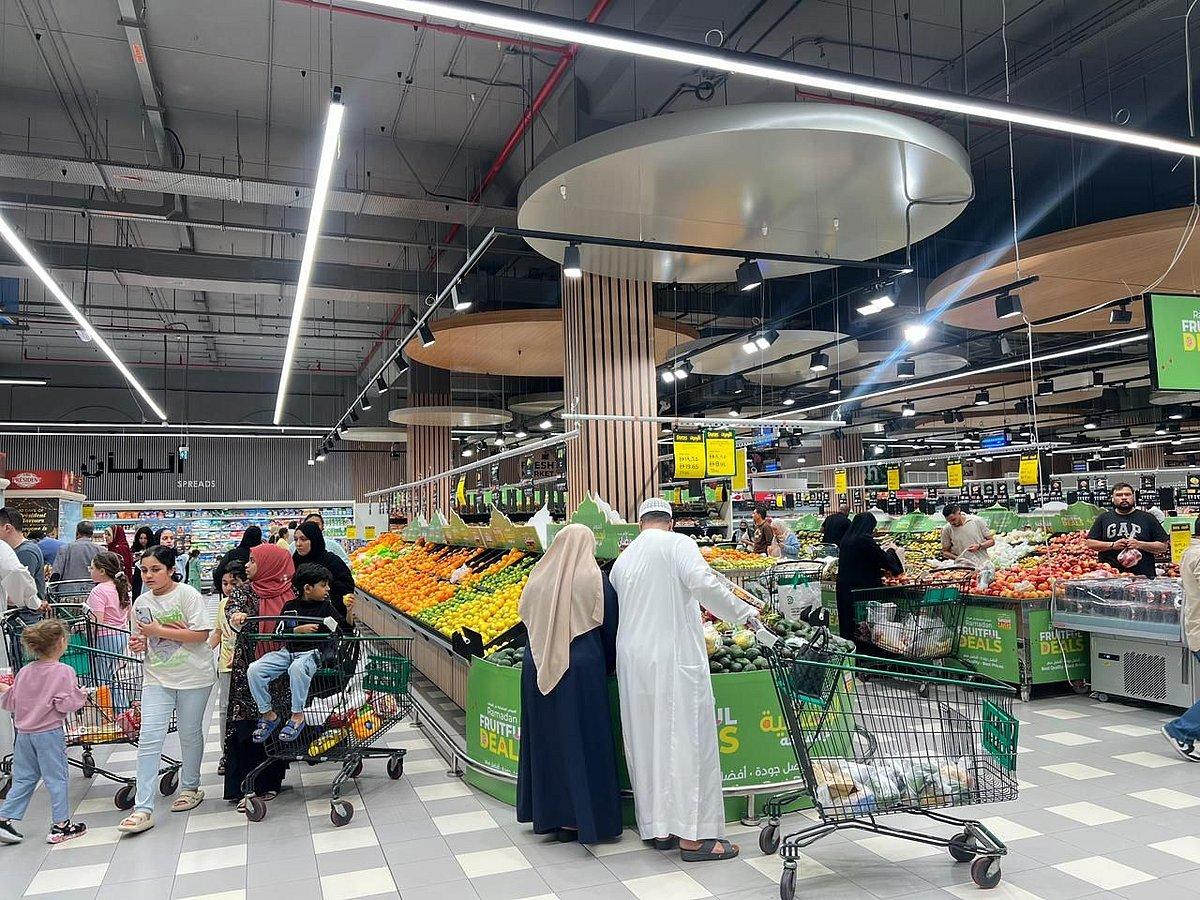
FMCG decisions are also shaped by where consumers shop.
The UAE provides consumers with numerous purchasing environments, including supermarkets, hypermarkets, convenience stores, specialist retailers, online marketplaces and rapid-delivery platforms.
HYPERMARKETS SUPERMARKETS CONVENIENCE E-COMMERCE QUICK COMMERCE MARKETPLACES
Consumers may behave differently during a planned weekly supermarket visit compared with an urgent online purchase.
The same individual can therefore demonstrate different brand and price behaviour depending on the shopping mission.
KEY RESEARCH AREA 05
Brand Awareness Is Not the Same as Brand Strength
High awareness can appear positive, but awareness alone does not guarantee purchase.
AWARENESS → FAMILIARITY → CONSIDERATION → TRIAL → USAGE → PREFERENCE → REPEAT PURCHASE
If awareness is high but trial is low, the barrier may exist between awareness and consideration.
If trial is strong but repeat purchase is weak, the issue may relate more closely to product experience.
If preference is strong but actual purchasing is weaker, availability or pricing may potentially be limiting conversion.
The most useful question is not simply “Do consumers know our brand?” It is “What happens next?”
KEY RESEARCH AREA 06
Why Non-Buyers Can Be as Important as Existing Customers
Existing customers can tell a brand why they buy.
Non-buyers can help explain why growth is being missed.
Awareness
Have potential consumers heard of the brand?
Consideration
Would they realistically consider purchasing it?
Previous Trial
Have they ever tried the product before?
Purchase Barriers
What currently prevents them from buying?
Competitive Preference
Which alternative do they currently choose?
Conversion
What could realistically encourage them to reconsider?
FROM DATA TO SEGMENTATION
Not Every FMCG Consumer Should Be Treated the Same
The research framework was designed to identify meaningful behavioural differences rather than relying entirely on demographic segmentation.
Loyal Buyers Consumers repeatedly purchasing the same brand.
Repertoire Buyers Consumers comfortable purchasing several brands within the category.
Promotion-Driven Buyers Consumers whose decisions are particularly responsive to offers.
Value Seekers Consumers actively balancing price against product performance.
Premium-Oriented Consumers Consumers willing to pay more for perceived quality or experience.
Category Explorers Consumers willing to trial new products and innovations.
FROM INSIGHT TO ACTION
Research Should Not End With a Data Table
A successful FMCG research programme should help decision-makers answer practical commercial questions.
01
Brand Strategy
Which attributes and perceptions should the brand strengthen?
02
Consumer Acquisition
Which non-buyers represent realistic opportunities?
03
Retention
Why might existing consumers move toward competitors?
04
Pricing
How do consumers evaluate price, affordability and value?
05
Product Development
Which unmet needs or frustrations could inform innovation?
06
Distribution
Does availability create barriers at important purchase moments?
KEY LEARNINGS
Five Important Lessons for FMCG Research
01 — Look Beneath Market Growth Overall category growth does not explain whether an individual brand is strengthening.
02 — Study Non-Buyers Existing customers explain today's business. Non-buyers can reveal tomorrow's opportunities.
03 — Separate Price From Value Reducing price is not always the only route to improving perceived value.
04 — Understand Switching A satisfied consumer can still switch when another brand offers better relevance or availability.
05 — Connect Attitudes With Behaviour What consumers say they prefer and what they ultimately purchase are not always identical.
06 — Keep Tracking Consumers Consumer expectations and competitive behaviour continue to evolve over time.
RESEARCH CAPABILITIES
Research Methods That Can Support FMCG Decision-Making
Usage & Attitude Studies
Understand category behaviour, attitudes, needs and consumption occasions.
Brand Health Tracking
Monitor awareness, consideration, usage, preference and other brand indicators.
Concept Testing
Evaluate new propositions and ideas before wider market introduction.
Product Testing
Measure consumer reactions to products, formulations and improvements.
Focus Groups & IDIs
Explore consumer motivations, perceptions and unmet needs in greater depth.
Shopper Research
Understand decision-making across physical and digital retail environments.
WHY THE UAE MATTERS
Local Consumer Understanding Is Essential in a Diverse Market
The UAE offers significant opportunities for FMCG companies, but its diversity also makes consumer understanding particularly important.
A single category can include consumers with different cultural backgrounds, household structures, income levels, brand familiarity, shopping habits and product expectations.
Strategies developed using assumptions from another market may therefore not translate directly into UAE consumer behaviour.
Local research helps businesses understand the UAE market through the behaviour of the consumers actually making purchase decisions within it.
THE ROLE OF CENSUS MARKET RESEARCH
Supporting FMCG & Consumer Research Across the UAE
At Census Market Research, we support FMCG and consumer research programmes through fieldwork, respondent recruitment, quantitative research, qualitative research and data collection.
Our FMCG Market Research services can support businesses investigating consumer behaviour, brand health, product experience, purchase drivers, market opportunities and shopper behaviour.
Depending on the research objective, programmes can incorporate Quantitative Research, qualitative methodologies, product testing, focus groups, in-depth interviews and other consumer research approaches.
Research can also be designed around the specific characteristics of the UAE market and relevant consumer segments.
THE CENTRAL LESSON
Understanding the Behaviour Behind FMCG Growth
Market data can tell a company that an opportunity exists.
Consumer research helps explain where that opportunity may exist, who represents it and what may influence consumers to act.
FMCG growth becomes commercially useful when brands understand the consumers, purchase occasions, competitive choices and behaviours creating that growth.
For FMCG companies operating in the UAE, connecting market performance with consumer behaviour can support more informed decisions around brand strategy, acquisition, product development, pricing, communication and distribution.
Planning an FMCG Research Project in the UAE?
Whether your objective is to understand consumer behaviour, evaluate a new product, measure brand performance, investigate switching or identify new market opportunities, Census Market Research can support research design, recruitment, fieldwork and data collection across the UAE and wider GCC.
Discuss Your FMCG Research Project