FMCG • RETAIL AUDITS • GCC MARKET RESEARCH
FMCG Retail Audit, Pricing & Competitive Benchmarking Across GCC Markets
An FMCG manufacturer required greater visibility into retail pricing, product availability, promotional activity and shelf presence across major retail outlets.
The research programme was designed to provide structured market-level intelligence on how products were performing at the point of sale while also monitoring competitor pricing and retail execution.
PROJECT PURPOSE Understand how pricing, availability, promotions and shelf execution varied across retailers and markets.
PROJECT BACKGROUND
Understanding What Happens at the Point of Sale
For FMCG manufacturers, market performance is influenced not only by consumer demand but also by what happens inside the retail environment.
A product may have strong consumer awareness but still face performance challenges if availability is inconsistent, shelf visibility is weak, promotions are not executed correctly or competitor pricing creates additional pressure.
The client therefore required a structured retail audit programme capable of providing visibility into execution across major retail outlets and multiple GCC markets.
The central challenge was to understand whether the client's intended pricing, distribution, promotional and merchandising strategies were being reflected consistently within the retail environment.
THE RESEARCH CHALLENGE
From Distribution Strategy to Retail Reality
FMCG performance can be affected by multiple factors between distribution and the final consumer purchase.
Product availability may differ between retailers. Promotional execution can vary between regions. Shelf presence can influence visibility at the point of purchase, while competitor pricing can change the relative value proposition within the category.
The client needed reliable field-level information to understand these differences and identify where retail execution required greater attention.
KEY QUESTION
Is the retail strategy being executed consistently in the market?
The programme examined pricing, product availability, shelf visibility, promotional execution and competitor activity across relevant retail environments.
RESEARCH OBJECTIVES
Four Areas of Retail Performance Were Monitored
01
Monitor Retail Pricing
Track product pricing across retail outlets to understand market-level price execution and variation.
02
Evaluate Shelf Visibility
Assess product presence and visibility within the retail environment.
03
Assess Promotional Execution
Evaluate how promotional activities were being implemented across retailers and regions.
04
Track Competitor Activity
Monitor competitive pricing and retail activity to provide context around category performance.
METHODOLOGY
A Structured Retail Intelligence Programme
The study combined retail audits, price tracking, merchandising evaluation and competitive benchmarking to create a broader view of in-market execution.
Rather than examining pricing or availability in isolation, the methodology allowed multiple retail performance indicators to be considered together.
Retail Audits Structured retail visits were used to capture information on product availability, pricing, promotions and execution at outlet level.
Price Tracking Product and competitor prices were monitored to provide visibility into pricing activity within the category.
Merchandising Evaluation Shelf presence and retail visibility were assessed to understand how products appeared within the shopping environment.
Competitive Benchmarking Competitor activity was tracked to provide context for pricing and category performance.
RETAIL PERFORMANCE FRAMEWORK
Connecting Availability, Visibility, Promotion & Price
Retail execution is rarely determined by a single factor. A product must first be available, but availability alone does not guarantee strong visibility or competitive positioning.
AVAILABILITY → SHELF PRESENCE → PROMOTIONAL EXECUTION → PRICE POSITIONING → COMPETITIVE CONTEXT
Monitoring these elements together provided the client with a more complete understanding of how its products were represented within the retail environment.
MARKET VIEW
RETAIL EXECUTION
What Was Happening In-Store?
- Product Availability
- Shelf Visibility
- Promotional Execution
- Retail Pricing
+
COMPETITIVE CONTEXT
What Was Happening Around the Brand?
- Competitor Pricing
- Competitive Activity
- Category Positioning
- Market Differences
KEY FINDINGS
What the Retail Audits Revealed
The fieldwork identified important differences in product availability, promotional execution and competitive pricing across the markets covered by the study.
01
Availability Varied by Retailer
Product availability varied significantly between retailers, highlighting differences in distribution and in-store presence.
02
Promotional Compliance Varied
Promotional compliance differed between regions, indicating inconsistency in how planned activities were being executed.
03
Competitor Pricing Influenced the Category
Competitor pricing strategies directly influenced category performance and the wider competitive environment.
FINDING 01
Product Availability Was Not Consistent Across Retailers
One of the important findings from the retail audit programme was significant variation in product availability between retailers.
This was strategically important because distribution does not end when products enter the retail channel. For consumers to consider and purchase a product, it needs to be available at the relevant point of sale.
Differences in availability therefore provided the client with a clearer picture of where distribution and retail execution required additional attention.
A product cannot compete effectively at the point of purchase if consumers cannot consistently find it within the retail environment.
FINDING 02
Promotional Execution Differed Between Regions
The research also identified regional differences in promotional compliance.
This meant that planned promotional activity was not necessarily being executed in the same way across all areas covered by the programme.
Monitoring these differences helped the client identify where promotional execution required stronger oversight and where additional follow-up could potentially improve consistency.
FINDING 03
Competitor Pricing Was Influencing Category Performance
Competitive benchmarking showed that competitor pricing strategies were directly influencing category performance.
This highlighted the importance of evaluating the client's pricing within the wider competitive environment rather than looking at individual price points in isolation.
Understanding competitor activity provided additional context for interpreting category dynamics and supporting future pricing decisions.
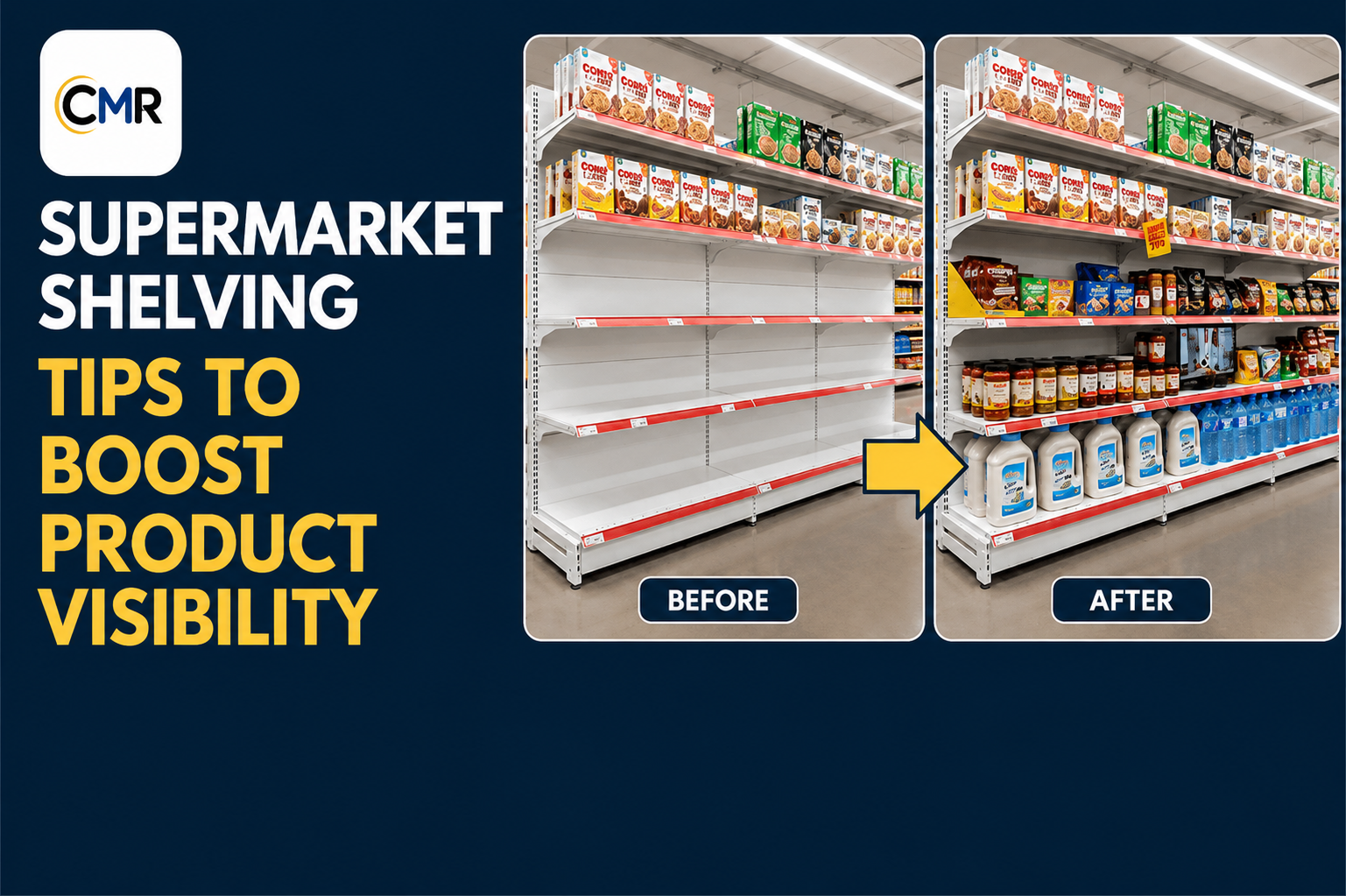
SHELF & MERCHANDISING
Visibility Matters Alongside Availability
Product availability establishes whether a consumer can purchase a product. Shelf presence determines how visible that product is within the retail environment.
For this reason, merchandising evaluation formed an important part of the research programme.
Monitoring shelf visibility alongside availability, pricing and promotional activity allowed the client to build a more complete view of retail execution.
FROM FIELD DATA TO ACTION
Turning Retail Audits Into Commercial Intelligence
01
Track Availability
Identify where products were consistently available and where gaps existed between retailers.
02
Monitor Pricing
Understand retail price execution and place pricing within a competitive context.
03
Evaluate Visibility
Assess product shelf presence within relevant retail environments.
04
Review Promotions
Identify differences in promotional execution across regions.
05
Benchmark Competitors
Track competitor activity to understand category and pricing dynamics.
06
Prioritize Action
Use field-level evidence to focus attention on areas requiring improvements in retail execution.
GCC MARKET COVERAGE
Understanding Retail Execution Across Multiple GCC Markets
The multi-market scope allowed the FMCG manufacturer to compare retail execution across different GCC environments rather than relying on a single-market perspective.
Differences in retailer performance, regional promotional compliance and competitive pricing could therefore be viewed within a broader market context.
This provided useful intelligence for decisions involving distribution, pricing and retail execution across the markets covered by the programme.
RESULTS & OUTCOME
Supporting Better Distribution, Pricing & Retail Execution
The study provided the client with structured field-level information about how its products and competitors were represented within the retail environment.
Findings around availability, promotional compliance and competitor pricing gave the manufacturer clearer visibility into areas where commercial and retail strategies could be strengthened.
Retail Execution The findings helped the client identify opportunities to improve execution across retail outlets.
Distribution Strategy Availability findings provided evidence to support stronger distribution planning.
Pricing Decisions Competitive benchmarking provided additional context for optimizing pricing decisions.
Multi-Market Visibility The programme provided a broader view of retail performance across multiple GCC markets.
RESEARCH IMPACT
From Store-Level Observation to Better Commercial Decisions
Retail audits gave the FMCG manufacturer direct visibility into what was happening where consumers encountered products in the market.
By connecting availability, shelf presence, promotional execution, pricing and competitor activity, the study provided a stronger foundation for understanding retail performance.
FINAL OUTCOME The study helped the client improve retail execution, strengthen distribution strategies and optimize pricing decisions across multiple GCC markets.
FMCG MARKET RESEARCH
Supporting Retail Audits & FMCG Market Intelligence
Census Market Research supports FMCG companies with retail audits, price tracking, merchandising evaluation and competitive market research.
Research programmes can be designed to monitor product availability, shelf visibility, promotional execution, pricing and competitor activity across relevant retail channels and markets.
Learn more about our FMCG market research capabilities and quantitative research services .
Retail audits turn what is happening on the shelf into structured market intelligence — connecting availability, visibility, promotion and pricing with better commercial decision-making.