AUTOMOTIVE RESEARCH • GCC • CAR CLINIC
Automotive Car Clinic & Consumer Research in the GCC
A global automotive manufacturer was preparing to introduce new vehicle concepts into the GCC market and required structured consumer feedback before finalizing product positioning and launch strategies.
The research was designed to move beyond general opinions and understand how potential consumers responded to important aspects of the vehicle proposition, including design, styling, technology, safety and overall purchase consideration.
PROJECT PURPOSE Understand how GCC consumers evaluate new vehicle concepts before market introduction.
PROJECT BACKGROUND
Understanding Consumer Response Before Vehicle Launch
Introducing a new vehicle concept requires more than understanding technical specifications. The way consumers perceive design, features, technology, safety and the overall proposition can strongly influence purchase consideration.
The client therefore required direct consumer feedback before finalizing its product positioning and launch strategy for the GCC market.
The study provided an opportunity for consumers to evaluate the concepts and express their reactions through a combination of structured quantitative measurement and qualitative discussion.
THE RESEARCH CHALLENGE
From Vehicle Concept to Consumer Acceptance
The central research challenge was to understand how consumers would respond to new vehicle concepts before their introduction into the market.
The research needed to capture reactions to visible product characteristics such as exterior and interior design while also exploring less immediately visible decision factors including technology, safety features and purchase motivations.
KEY QUESTION
What makes a new vehicle concept attractive to GCC consumers?
The study examined the combination of design, features, safety, technology and competitive perceptions influencing consumer consideration.
RESEARCH OBJECTIVES
What the Client Needed to Understand
The research programme focused on four core areas that could support product and positioning decisions.
01
Vehicle Design & Styling
Assess consumer perceptions of vehicle design and styling and understand reactions to the overall visual proposition.
02
Purchase Motivations & Barriers
Explore the factors that could encourage consumers to consider the vehicle as well as concerns that could reduce purchase interest.
03
Technology & Safety
Evaluate consumer reactions to technology and safety features and understand their importance within vehicle consideration.
04
Competitive Comparison
Understand how the new concepts were perceived when considered against competing vehicle propositions.
METHODOLOGY
A Mixed-Method Automotive Research Approach
The project combined quantitative and qualitative research techniques to capture both measurable consumer reactions and deeper explanations behind those responses.
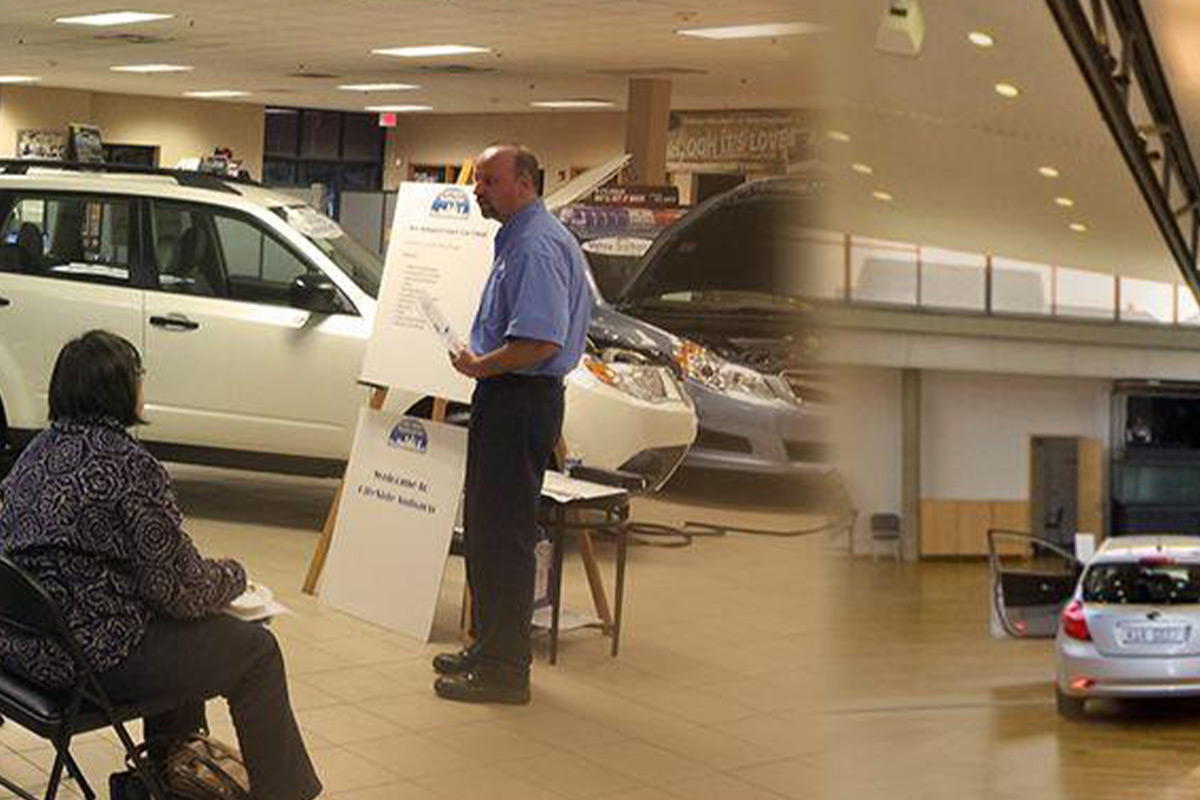
Central Location Car Clinic Consumers evaluated vehicle concepts within a controlled central-location research environment.
Face-to-Face Interviews Structured interviews captured direct feedback from participating consumers.
Quantitative Survey Standardized survey measurement allowed consumer reactions across key vehicle attributes to be assessed systematically.
Focus Group Discussions Moderated discussions provided deeper understanding of perceptions, motivations, concerns and reactions to the vehicle concepts.
WHY THE APPROACH MATTERED
Combining Measurement With Consumer Explanation
Automotive purchase decisions can involve both functional and emotional considerations. Consumers may respond positively to a particular design but still have concerns about technology, safety or overall suitability.
Combining quantitative surveys with focus group discussions allowed the study to examine not only what consumers preferred, but also the reasoning behind those preferences.
The car clinic created a direct environment for consumers to react to the vehicle concepts, while quantitative and qualitative research helped explain the purchase considerations behind those reactions.
KEY FINDINGS
What Consumers Valued in the Vehicle Proposition
01
Technology & Connectivity
Vehicle technology and connectivity features strongly influenced purchase consideration among participating consumers.
02
Safety Systems
Safety systems emerged among the most valued attributes considered within the vehicle proposition.
03
Modern Exterior Design
Consumers showed a preference for modern exterior vehicle designs.
04
Interior Space
Spacious interiors were positively valued and contributed to overall consumer perceptions of the concepts.
05
Hybrid & Electric Interest
The research indicated increasing consumer interest in hybrid and electric vehicle options.
WHAT THE FINDINGS MEANT
Vehicle Consideration Extended Beyond Exterior Styling
The findings demonstrated that consumer evaluation of new vehicle concepts was influenced by a combination of design and functional attributes.
Modern exterior styling and spacious interiors contributed to product appeal, while technology, connectivity and safety features also played an important role in purchase consideration.
At the same time, increasing interest in hybrid and electric vehicle options highlighted the importance of understanding how consumer expectations may evolve as alternative vehicle technologies become more relevant within the automotive market.
PRODUCT
What Consumers See
- Exterior Design
- Interior Space
- Vehicle Styling
- Overall Concept
+
EXPERIENCE
What Consumers Value
- Technology
- Connectivity
- Safety Systems
- Future Powertrain Options
RESULTS & OUTCOME
Turning Consumer Feedback Into Product Decisions
The research provided the client with structured consumer evidence that could be incorporated into product planning and launch preparation.
Findings from the car clinic, face-to-face interviews, quantitative survey and focus group discussions helped the manufacturer identify the product characteristics receiving stronger consumer reactions and the areas requiring greater consideration.
Product Specifications Consumer feedback helped the client refine product specifications before future market introduction.
Feature Prioritization Findings helped identify which vehicle features should receive greater attention within future product planning.
Market Positioning Consumer perceptions supported improvements to positioning strategies for the new vehicle concepts.
Launch Strategy The research provided additional evidence to support future product launch decisions.
THE OUTCOME
Consumer Insight Before Market Introduction
By testing vehicle concepts directly with consumers, the manufacturer was able to incorporate market feedback before finalizing important product and positioning decisions.
The study highlighted the importance of understanding the complete vehicle proposition — from styling and interior space to technology, connectivity, safety and growing interest in alternative powertrain options.
RESEARCH IMPACT The findings helped the client refine product specifications, improve positioning strategies and prioritize features for future vehicle launches.
AUTOMOTIVE MARKET RESEARCH
Supporting Automotive Product & Consumer Research
Census Market Research supports automotive research programmes requiring direct access to consumers and structured fieldwork execution.
Research programmes can combine car clinics, face-to-face interviewing, quantitative surveys, focus groups and other qualitative and quantitative methodologies depending on the research objective.
Learn more about our automotive market research services and qualitative research capabilities .
Successful automotive research connects what consumers see in a vehicle with what ultimately influences consideration, preference and purchase decisions.